

Image of 1958 Willys Station Wagon, Note: These illustrations use artistic license and may differ from actual historical models.
Performance Metrics
Fundamental Metrics
Emotional Appeal
MMP Rating
| Engine Specifications | |
|---|---|
| Engine: | Super Hurricane 6-226, Hurricane F4-134 |
| Displacement: | 134-226 cu in |
| Horsepower: | 72-115 hp |
| Torque: | 114-200 lb-ft |
| Compression Ratio: | 6.48:1 (F4-134), 7.5:1 (6-226) |
| Ignition System: | Distributor and coil |
| Cooling System: | Liquid-cooled |
| Performance Specifications | |
| 0-60 Time: | Estimated 20-30 seconds |
| 1/4 Mile Time: | Not available |
| Top Speed: | 65-75 mph |
| Transmission and Drive | |
| Drive Type: | Rear-wheel drive (4x4 optional) |
| Transmission Type: | 3-speed manual |
| Fuel and Efficiency | |
| Fuel System Type: | Carburetor |
| MPG: | Estimated 10-15 mpg |
| Dimensions and Brakes | |
| Brakes: | Drum brakes |
| Wheelbase: | 104.5 in |
| Weight: | 3,200-3,400 lbs |
Note: Specifications for classic cars are given to the best of our ability, considering the limited and variant data available.
1958 Willys Station Wagon: The Steel-Bodied SUV Pioneer
The 1958 Willys Station Wagon could carry a family to town on Friday and tackle a muddy farm track on Saturday, all in a body made from steel rather than wood. Built by Willys Motors, it was part of a vehicle line that helped shape the modern idea of the practical, go-anywhere sport-utility vehicle.
The Wagon’s story began in the years just after World War II. Willys-Overland, famous for building the military Jeep, wanted a civilian vehicle that could serve families, businesses, and rural communities. Designer Brooks Stevens gave it a straightforward, upright shape, while Willys used an all-steel body to make it more durable and easier to maintain than traditional wood-bodied wagons.
By 1958, the Wagon was a well-established part of the American automotive landscape. It was not a luxury cruiser or a high-speed highway car. Its appeal was practical: useful passenger and cargo space, rugged mechanicals, and, in four-wheel-drive form, real ability beyond paved roads. One especially notable milestone came earlier in its life: Willys introduced a four-wheel-drive version in 1949, bringing Jeep-style traction to a wagon body years before the SUV became a mainstream category.
Steel Panels and Straightforward Style
The 1958 Wagon’s exterior was all function, but it had a character all its own. A tall, nearly vertical windshield, flat side panels, upright grille, and squared-off rear gave it a purposeful, almost architectural profile. Its short front overhang and high stance hinted at its Jeep roots, while the long roof and large windows made it a practical family vehicle.
The body was a major part of the design’s appeal. Many earlier station wagons relied on wood framing and exterior wood panels, which demanded regular care and could deteriorate with age. Willys’ steel construction was easier to clean and better suited to hard use. The result was less country-club elegance and more honest utility, a look that now feels unmistakably vintage.
Inside, the Wagon kept things simple. Expect painted metal surfaces, durable upholstery, bench seating, and straightforward controls rather than plush trim or elaborate ornamentation. Depending on the configuration, the cabin could be arranged for passengers or cargo, with optional seating that made the Wagon useful for larger families. Materials varied with equipment and condition, but the emphasis was on toughness and serviceability, not luxury.
Original paint combinations and trim depended on the specific model and equipment. Solid, workmanlike colors were common, while two-tone treatments could add a bit of visual contrast. Today, restored examples in period-appropriate colors tend to draw attention, but no single shade defines the 1958 Wagon as strongly as its unmistakable slab-sided body.
1958 Models and Equipment
The familiar two-door station wagon was the signature passenger model. Buyers could choose rear-wheel drive for regular road use or four-wheel drive for added traction on snow, dirt, and rough ground. Willys also offered related commercial vehicles, including utility and delivery versions, built around the same basic rugged philosophy. These should not be confused with the passenger Wagon, even though they shared much of its design and engineering.
Engine availability depended on configuration and market. Common choices included the 134-cubic-inch “Hurricane” four-cylinder and the 226-cubic-inch “Super Hurricane” six-cylinder. The four was the economical, hardworking option; the six offered more pulling power and a more relaxed pace when carrying passengers or cargo. A manual transmission was standard equipment, and four-wheel-drive models used a separate transfer case to send power to the front axle when needed.
A Practical Influence on SUV Design
The Willys Station Wagon helped establish a template that later SUV makers would refine: a passenger-friendly enclosed body, useful cargo capacity, and available four-wheel drive. It was not the only vehicle to combine these ideas, but its long production run and close connection to the Jeep brand made it an important early example.
What set the Wagon apart from many contemporary family cars was its working-vehicle foundation. The ride and interior were more utilitarian than those of a typical sedan-based wagon, but buyers gained sturdier construction and genuine off-road capability in 4x4 versions. That balance of everyday usefulness and rough-road ability became central to the SUV market decades later.
The Wagon also demonstrated how a vehicle could be designed around durability without using a separate wood-bodied structure. Its all-steel construction was a meaningful departure from older wagon conventions, while its upright proportions prioritized visibility, interior space, and ease of use over sleek styling. Those choices made the Willys a working tool, but they also gave it a distinctive look that remains popular with collectors.
Engine Performance and Road Manners
Performance figures for a 1958 Willys Wagon vary with engine, gearing, drivetrain, vehicle condition, and passenger or cargo load. As a general guide, a four-cylinder example may take roughly 25 to 35 seconds to reach 60 mph, with a top speed in the neighborhood of 60 to 70 mph. A six-cylinder Wagon can be quicker, often reaching 60 mph in roughly 20 to 25 seconds and approaching 70 to 75 mph under favorable conditions. These are estimates, not guaranteed factory test figures.
Neither engine was built for modern traffic. The four-cylinder rewards patience, especially on steep grades or at highway speeds. The six provides more useful torque, but even a healthy example feels deliberate rather than brisk. The Wagon is happiest at moderate speeds, where its low gearing and sturdy character make more sense than a stopwatch.
On a rough road, the tall body, solid-axle layout, and work-oriented suspension can feel firm and busy compared with a modern crossover. It may bounce over sharp bumps and lean noticeably in corners. On winding roads, a driver needs to plan ahead, respect the vehicle’s high center of gravity, and avoid treating it like a modern sports wagon. Four-wheel drive helps on loose or slippery surfaces, but it does not change the basic limits of the tires, brakes, or vintage chassis.
Behind the wheel, the experience is direct and mechanical. The engine has a steady, old-fashioned working sound, the manual gearbox asks for deliberate shifts, and the driver remains very aware of the road. Steering and braking feel less assisted than in a newer vehicle. That hands-on character is part of the pleasure for enthusiasts, though it can be tiring in dense traffic or on long, fast highway trips.
Living With a Willys Wagon
Today, most 1958 Wagons serve as weekend drivers, farm or property vehicles, trail-ready classics, and show cars. A well-sorted example can be enjoyable on local roads, but many owners preserve them as occasional-use vehicles rather than daily transportation. Modern traffic speeds, limited crash protection, and the absence of contemporary comfort and safety features are important considerations.
Mechanical repairs are often manageable for an experienced home mechanic. The engines and drivetrain are relatively straightforward, and many service tasks do not require specialized diagnostic equipment. The bigger challenge can be finding quality replacement parts for specific trim, body, and drivetrain details. Rust, previous repairs, worn steering or suspension components, and poorly executed engine swaps deserve close inspection before purchase.
Reliability depends heavily on maintenance and restoration quality. Check the frame and body structure, inspect the cooling and fuel systems, and verify that the four-wheel-drive system engages correctly if fitted. A tidy, maintained Wagon can be dependable for occasional use, but age-related wear means buyers should budget for recommissioning rather than assume a classic is ready for trouble-free daily service.
Willys Wagon Facts and Common Criticisms
The Wagon’s strongest claim to fame is not a speed record. It is the way the model helped bring four-wheel-drive capability into a practical passenger wagon. Its Jeep lineage also gives it a direct connection to the postwar boom in civilian vehicles designed for recreation, work, and travel beyond paved roads.
Willys produced the basic Station Wagon design from 1946 through 1965, with changes over the years and related versions sold under different names. Exact production totals for the 1958 model year are not consistently cited, so a reasonable broad estimate is around 10,000 to 20,000 Wagons and closely related variants for that year. That is a best-guess range, not a confirmed factory total. Across the full production run, the Wagon and its variants are commonly estimated to have reached roughly 300,000 vehicles.
Common criticisms are part of the ownership reality: the ride is firm, cabin noise is substantial, highway performance is modest, and rust can be serious. The styling’s upright shape also creates more wind noise and resistance than a modern vehicle. Those drawbacks are balanced by rugged simplicity, excellent period charm, and a practical layout that still makes sense for light-duty work and relaxed drives.
1958 Willys Wagon Collector Values
Values depend on body condition, originality, engine, drivetrain, restoration quality, and regional demand. As a broad 2026 guide, a project or heavily worn example might sell for about $5,000 to $12,000. A running driver with sound structure could fall around $12,000 to $25,000, while a well-restored Wagon may bring roughly $25,000 to $45,000. Exceptional, highly original, or professionally restored examples can exceed that range, especially when they have desirable four-wheel drive and strong documentation.
The 1958 model is uncommon compared with modern vehicles, but it is not a one-off rarity. Survivor numbers are difficult to establish, and market availability tends to be sporadic: buyers may find several examples in a short period and then see few for sale for months. Condition is the deciding factor. A rusty or incomplete Wagon can require more investment than its purchase price suggests, while a correctly restored example can command a meaningful premium.
Prices for classic utility vehicles have generally strengthened over the long term, and the Willys Wagon benefits from growing interest in early SUVs and Jeep history. Values can still fluctuate with the broader collector-car market, restoration costs, and the quality of individual cars. The best examples are likely to hold attention, but buyers should purchase for the experience and condition rather than count on a guaranteed investment return.
Why the 1958 Willys Still Matters
The 1958 Willys Station Wagon combined an all-steel body, useful passenger and cargo space, straightforward mechanicals, and the option of four-wheel drive in a package built for real work. Its performance was modest, its ride was firm, and its cabin was plain, but those qualities were part of a clear mission: get people and gear where they needed to go.
More than a charming old wagon, it was an important step in the evolution of the SUV. The Willys Station Wagon showed that a practical family vehicle could be rugged, capable, and ready for roads that ended where the pavement did. That is why this boxy classic still feels less like a relic and more like the ancestor of a vehicle category that never stopped growing.
1958 Willys Station Wagon Catalog of Parts
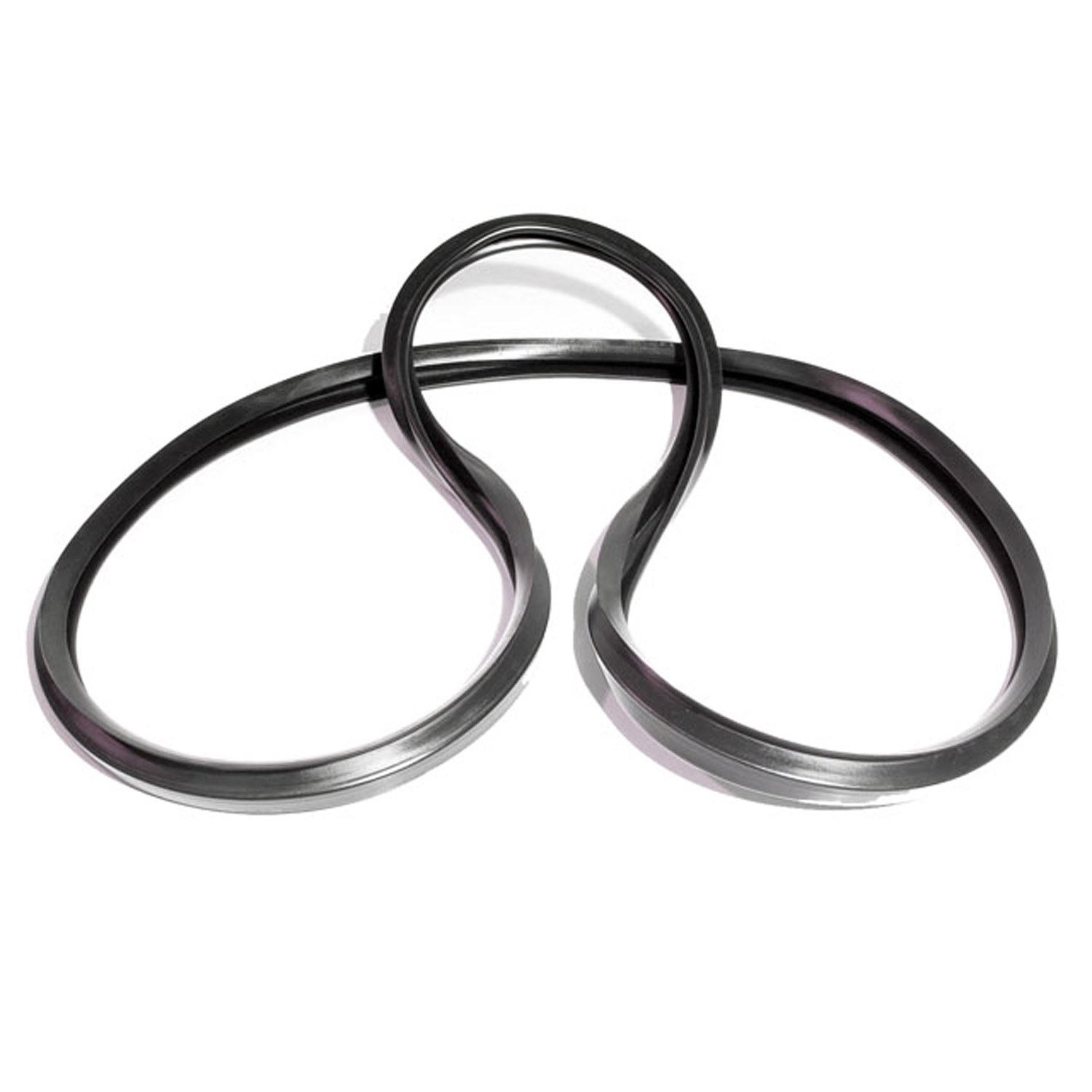 1958 Willys Station Wagon Vulcanized Side Front-Rear Sliding Window Seal-VQT 9600Vulcanized Side Front-Rear Sliding Window Seal. Made into one piece for easy installation. Order 2 to do both sides. Replaces OEM #671419. Each
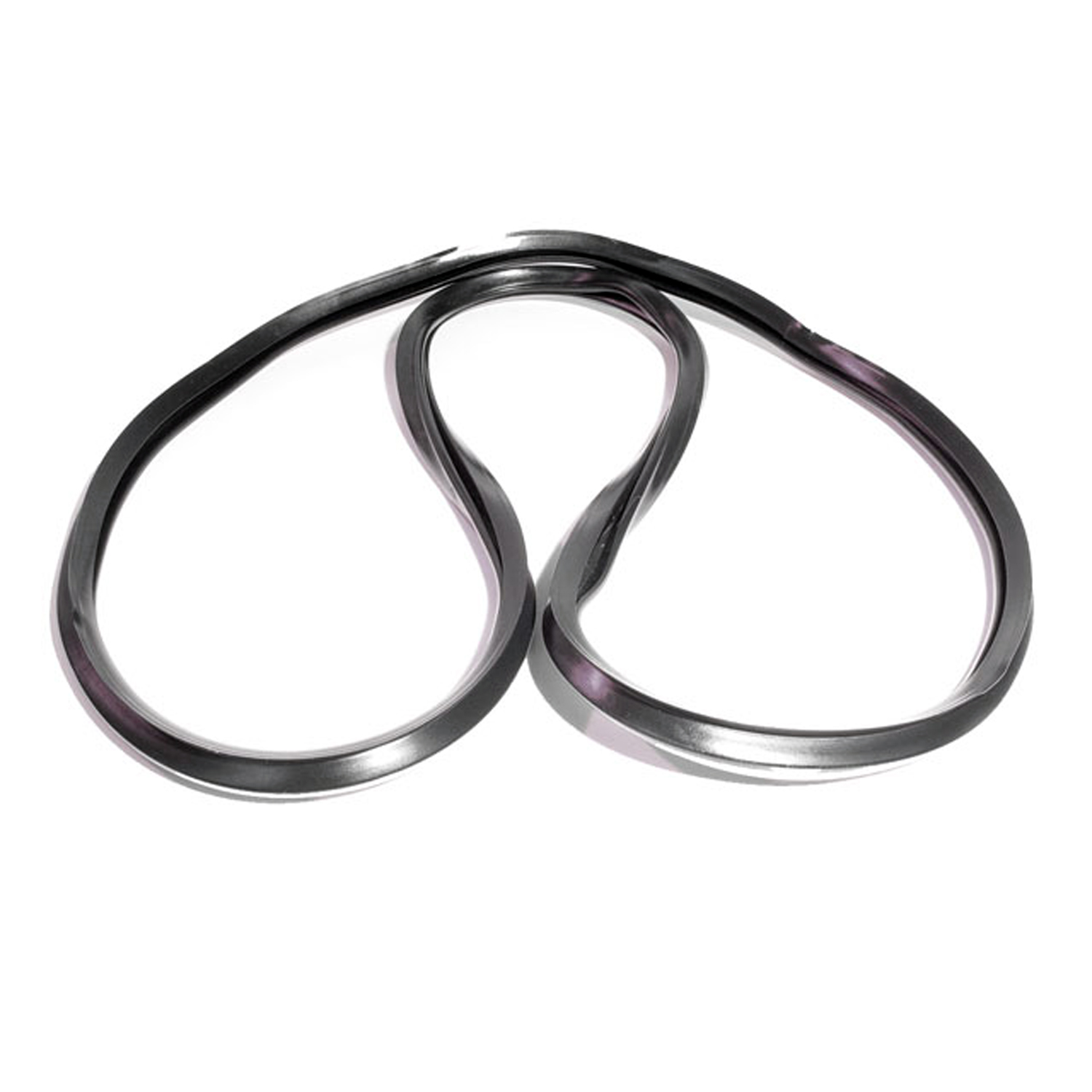 1958 Willys Station Wagon Vulcanized Side Rear-Rear Sliding Window Seal-VQT 9601Vulcanized Side Rear-Rear Sliding Window Seal. Made into one piece for easy installation. Order 2 to do both sides. Replaces OEM #664257. Each
Why Choose Metro?
For over 100 years, Metro Moulded Parts has been the pinnacle of quality in classic car restoration parts. Our commitment to precision and authenticity in every component ensures a perfect fit and an OEM-level appearance.
- Expert Craftsmanship & Quality: Each part is a testament to our dedication to reliability and perfection, crafted from original designs and thoroughly tested.
- Advanced Technology: We use cutting-edge techniques to create flawless, long-lasting parts that surpass others in performance.
- SuperSoft Sponge – The Ultimate Door Seal: Not only are our door seals 30% softer than competitors', but they're also guaranteed to never leak. They effectively reduce wind and road noise, enhancing your classic car's comfort and driving experience.
- Proudly American: Our parts are a product of American craftsmanship, made in the USA with a spirit of excellence and heritage.
- Unrivaled Warranty: We back our products with a 30-year industry-leading warranty, a testament to our confidence in their quality.
Join us in preserving the legacy of classic cars with parts that are crafted for perfection, not just made.