

Image of 1959 Willys Station Wagon, Note: These illustrations use artistic license and may differ from actual historical models.
Performance Metrics
Fundamental Metrics
Emotional Appeal
MMP Rating
| Engine Specifications | |
|---|---|
| Engine: | Super Hurricane 6-226, Hurricane F4-134 |
| Displacement: | 134-226 cu in |
| Horsepower: | 72-105 hp |
| Torque: | 114-190 lb-ft |
| Compression Ratio: | 6.9:1 (F4-134), 7.5:1 (6-226) |
| Ignition System: | Distributor and coil |
| Cooling System: | Liquid-cooled |
| Performance Specifications | |
| 0-60 Time: | Estimated 20-30 seconds |
| 1/4 Mile Time: | Not available |
| Top Speed: | 60-70 mph |
| Transmission and Drive | |
| Drive Type: | Rear-wheel drive (4x4 optional) |
| Transmission Type: | 3-speed manual |
| Fuel and Efficiency | |
| Fuel System Type: | Carburetor |
| MPG: | Estimated 10-15 mpg |
| Dimensions and Brakes | |
| Brakes: | Drum brakes |
| Wheelbase: | 104.5 in |
| Weight: | 3,200 lbs |
Note: Specifications for classic cars are given to the best of our ability, considering the limited and variant data available.
1959 Willys Station Wagon: The SUV Before SUVs
The 1959 Willys Station Wagon could carry a family, haul a load of supplies, and leave the pavement behind without changing vehicles. Built by Willys Motors under Kaiser ownership, it combined the useful shape of a station wagon with the rugged mechanical thinking that had made Willys famous.
The wagon’s roots reach back to 1946, when Willys introduced what is widely recognized as the first mass-produced all-steel station wagon. In 1949, a four-wheel-drive version added genuine off-road ability to the family-car format. A decade later, the 1959 model kept that practical formula alive: simple construction, useful cargo space, and a choice of two-wheel drive or four-wheel drive.
One detail that still surprises many enthusiasts is that the wagon’s woodie look was largely an illusion. Its body was steel, not a collection of wood panels requiring the care associated with traditional wooden-bodied wagons. It delivered the useful shape without making owners worry about wood rot.
Willys Wagon Styling and Interior
The 1959 Willys has the unmistakable profile of a working vehicle. Its upright windshield, tall roof, squared-off cabin, and broad, flat body sides put function ahead of styling flourishes. Rounded front fenders soften the nose, while the high ground clearance and sturdy stance give four-wheel-drive versions a purposeful look. The result is neither a conventional car nor a full-size truck. It sits neatly between the two.
The two-piece tailgate is a particularly practical feature. The upper section lifts to provide access to the cargo area, while the lower section folds down to make loading bulky items easier. Inside, the cabin is straightforward and durable. Expect painted metal surfaces, a simple dashboard, basic gauges, and hard-wearing upholstery, often vinyl or cloth depending on specification. Rubber floor coverings were well suited to muddy boots and work use. Comfort and decorative trim took a back seat to easy cleaning and long service.
Seating and trim could vary by version and market. The Wagon was a two-door design, and some configurations offered additional rear seating for larger families or work crews. A related panel-delivery body style removed or reduced rear passenger fittings in favor of enclosed cargo capacity. Availability of seating, upholstery, paint, and trim depended on the particular model and dealer order.
Period paint choices varied, but solid colors such as cream, gray, blue, green, and red suit the range of hues used on Willys vehicles of the era. Two-tone combinations and simulated woodgrain trim could add visual interest. The most recognizable look today is often a light body color with darker accents or woodgrain-style side trim, though not every 1959 wagon left the factory with that treatment.
Practical Engineering for Its Time
Willys kept the wagon’s engineering deliberately uncomplicated. Depending on specification, power came from a 134-cubic-inch Hurricane four-cylinder or a 161-cubic-inch Hurricane six-cylinder. Both were designed around durability and low-speed usefulness rather than high-revving performance. The four-cylinder used an unusual F-head layout, with its intake valves in the cylinder head and exhaust valves in the block. That arrangement helped the engine breathe better than a conventional flathead design while retaining a relatively compact package.
A three-speed manual transmission was typical. Two-wheel-drive models sent power to the rear wheels, while four-wheel-drive versions added a transfer case to send power to both axles and provide a low range for difficult terrain. Solid axles, leaf springs, and drum brakes were in keeping with the wagon’s work-oriented mission. These parts were familiar, sturdy, and generally easier to service than more complex independent suspension or modern automatic systems.
Exact equipment depended on the particular vehicle, and specifications could differ across markets. When evaluating one, check the engine, drivetrain, identification tags, and factory documentation rather than assuming every 1959 wagon left the line with the same configuration.
Why the Willys Wagon Matters
The Station Wagon helped establish a format that is now central to the automotive world: a vehicle with enclosed passenger space, useful cargo capacity, and the ability to travel beyond paved roads. The 1949 four-wheel-drive version was especially significant because it brought four-wheel-drive capability to a station wagon body. It was an early example of the all-purpose family and utility vehicle that later generations would know as the SUV.
Compared with many contemporary family cars, the Willys offered a tougher chassis and genuine rough-road ability. Compared with a truck, it provided an enclosed cabin and more passenger-friendly layout. Its body-on-frame construction and practical mechanicals made it attractive to rural families, businesses, public agencies, and anyone who needed one vehicle to do several jobs.
The wagon was not alone in shaping the postwar market, and it was not a luxury vehicle. Its lasting influence came from proving that passenger comfort and utility could share the same basic package. The 1959 model is a mature expression of that idea, carrying forward a design that had been refined through years of real-world use.
1959 Willys Station Wagon Performance
Performance figures for surviving examples vary with engine condition, gearing, tire size, drivetrain, and vehicle weight. A healthy 134-cubic-inch four-cylinder is generally rated at about 72 horsepower, while the 161-cubic-inch six is commonly listed at around 90 horsepower. Those figures make more sense when considered alongside the wagon’s purpose: steady pulling and dependable travel, not quick acceleration.
There is no single dependable factory 0-to-60-mph figure that applies to every 1959 configuration. As a broad modern estimate, a four-cylinder wagon may take roughly 25 to 30 seconds to reach 60 mph, while a six-cylinder version may manage it in about 20 to 25 seconds. Four-wheel-drive gearing, load, and mechanical condition can change those estimates considerably. A realistic top speed is approximately 65 to 75 mph for a sound example, but sustained high-speed cruising is not where this vehicle feels happiest.
On the road, the Willys has the direct, mechanical character of a mid-century utility vehicle. Steering is typically heavy at low speed, especially without assistance, and the solid axles and leaf springs transmit more road movement than a modern SUV would. Broken pavement can produce a firm, sometimes bouncy ride, particularly when the wagon is lightly loaded. On a winding road, its upright body and work-focused suspension encourage a measured pace rather than enthusiastic cornering.
The engine’s sound is part of the appeal: a steady, purposeful rumble rather than a refined hush. The manual gearbox asks for deliberate shifts, and the driver feels closely connected to the vehicle’s machinery. On a gravel road or a muddy track, a properly equipped four-wheel-drive model can feel reassuringly capable. It is not a modern off-roader, but its simple controls and low-range gearing make its abilities easy to understand.
Living With a 1959 Willys
Owners today use the Willys Station Wagon as a weekend driver, vintage 4x4, show vehicle, farm or property runabout, and occasional tour car. A clean, well-sorted example can handle local roads and scenic drives, though many owners avoid long stints at modern highway speeds. The wagon’s strongest appeal is its versatility and character, not effortless daily commuting.
Maintenance is approachable for an owner with basic mechanical skills. The engine, manual transmission, axles, and drum brakes are built around conventional technology, and many routine jobs can be handled with ordinary tools and a good workshop manual. Specialist knowledge may be useful for rebuilding the transfer case, sourcing correct trim, or diagnosing worn steering and suspension parts.
Condition matters more than the simplicity of the design. Inspect the frame, floor, body mounts, tailgate, and lower body panels for corrosion or old repairs. Check for worn steering components, tired springs, leaky seals, and brake problems. Four-wheel-drive models need a careful inspection of the transfer case, front axle, and driveline. Replacement parts are available through specialist suppliers and enthusiast networks, but rare original trim and model-specific pieces can take time to find.
Willys Wagon Facts and Misconceptions
The wagon’s place in history is sometimes confused with Willys’ more famous wartime Jeep. The Station Wagon was a separate civilian vehicle, not simply a Jeep with a roof. It drew on Willys’ experience building rugged four-wheel-drive vehicles, but its enclosed steel body and family-carrying layout made it a distinct proposition.
Another point worth knowing is that the 1959 Wagon was not a sports model and did not set meaningful speed records. Its achievement was practical: combining passenger and cargo space with available four-wheel drive in an era when that mix was uncommon. The model also appeared in different forms and markets over its long production life, so not every wagon encountered today will match a single American-market specification.
There is no broadly documented celebrity ownership story or single famous event that defines the 1959 model. Its history is more everyday and arguably more important: these wagons served families, businesses, rural communities, and government users. Common criticisms are equally straightforward. The cabin is noisy by modern standards, the ride can be firm, acceleration is slow, and rust can be expensive to repair. Those drawbacks are part of the bargain with a vehicle designed around utility rather than refinement.
Collector Value and Rarity
Willys built the Station Wagon family for many years, and estimates commonly place total production across the model’s U.S. run at more than 300,000 vehicles. That figure covers the broader family, not just 1959 examples. Reliable, widely accepted production totals for the 1959 model year are difficult to pin down, so a precise annual figure should be treated with caution. A reasonable estimate is that production was in the thousands to low tens of thousands across the available versions, with exact numbers depending on which markets and body styles are counted.
For U.S. collectors, the 1959 wagon is uncommon but not impossibly rare. Two-wheel-drive examples are generally less sought after than well-preserved four-wheel-drive wagons, while original condition, rust-free bodywork, documented history, and correct equipment can have a major effect on price. A sound project might sell for roughly $4,000 to $10,000. A usable driver often falls around $10,000 to $22,000, while a nicely restored example may bring approximately $25,000 to $40,000 or more. Exceptional restorations and desirable four-wheel-drive examples can exceed that range. These are broad U.S. market estimates, and actual sales vary by condition, location, and originality.
Interest in early utility vehicles has supported values over time, particularly for four-wheel-drive models with attractive, authentic restorations. Prices are best described as steady to gradually appreciating rather than guaranteed to rise. Restoration costs can easily overtake a project’s eventual sale price, so buyers should assess body and frame condition carefully. A complete, honest wagon is often a better starting point than a heavily modified vehicle with uncertain history.
The 1959 Willys Wagon’s Lasting Appeal
The 1959 Willys Station Wagon brought together steel-bodied practicality, simple mechanicals, and the option of real four-wheel-drive capability. Its upright styling and durable interior reflect a time when a vehicle was expected to work hard, while its passenger-friendly layout helped point toward the modern SUV.
It is not fast, quiet, or especially comfortable by today’s standards. What it offers instead is honest engineering and a direct connection to the early history of the all-purpose vehicle. The Willys Wagon did more than carry people and cargo: it helped show the automotive world what a useful family 4x4 could be.
1959 Willys Station Wagon Catalog of Parts
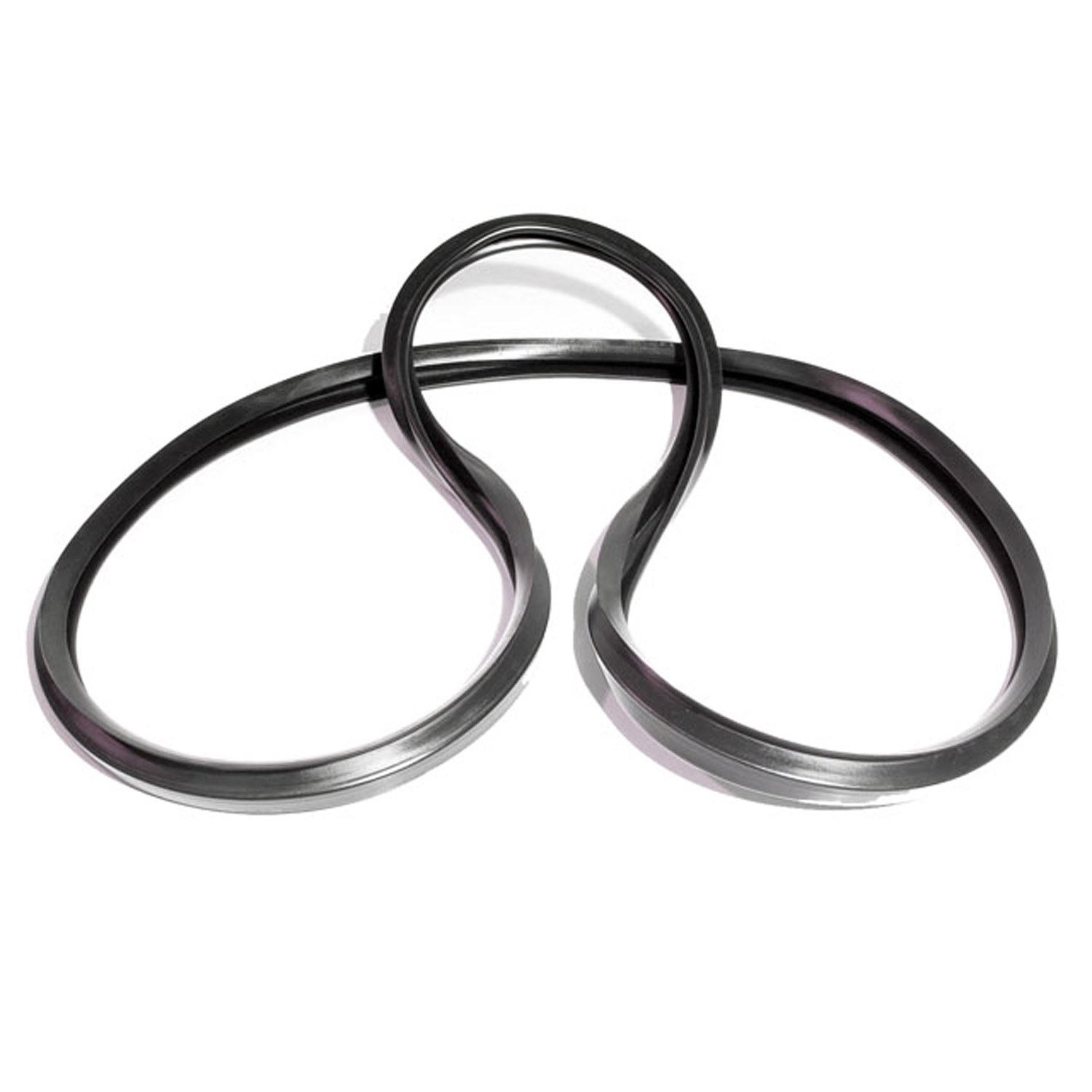 1959 Willys Station Wagon Vulcanized Side Front-Rear Sliding Window Seal-VQT 9600Vulcanized Side Front-Rear Sliding Window Seal. Made into one piece for easy installation. Order 2 to do both sides. Replaces OEM #671419. Each
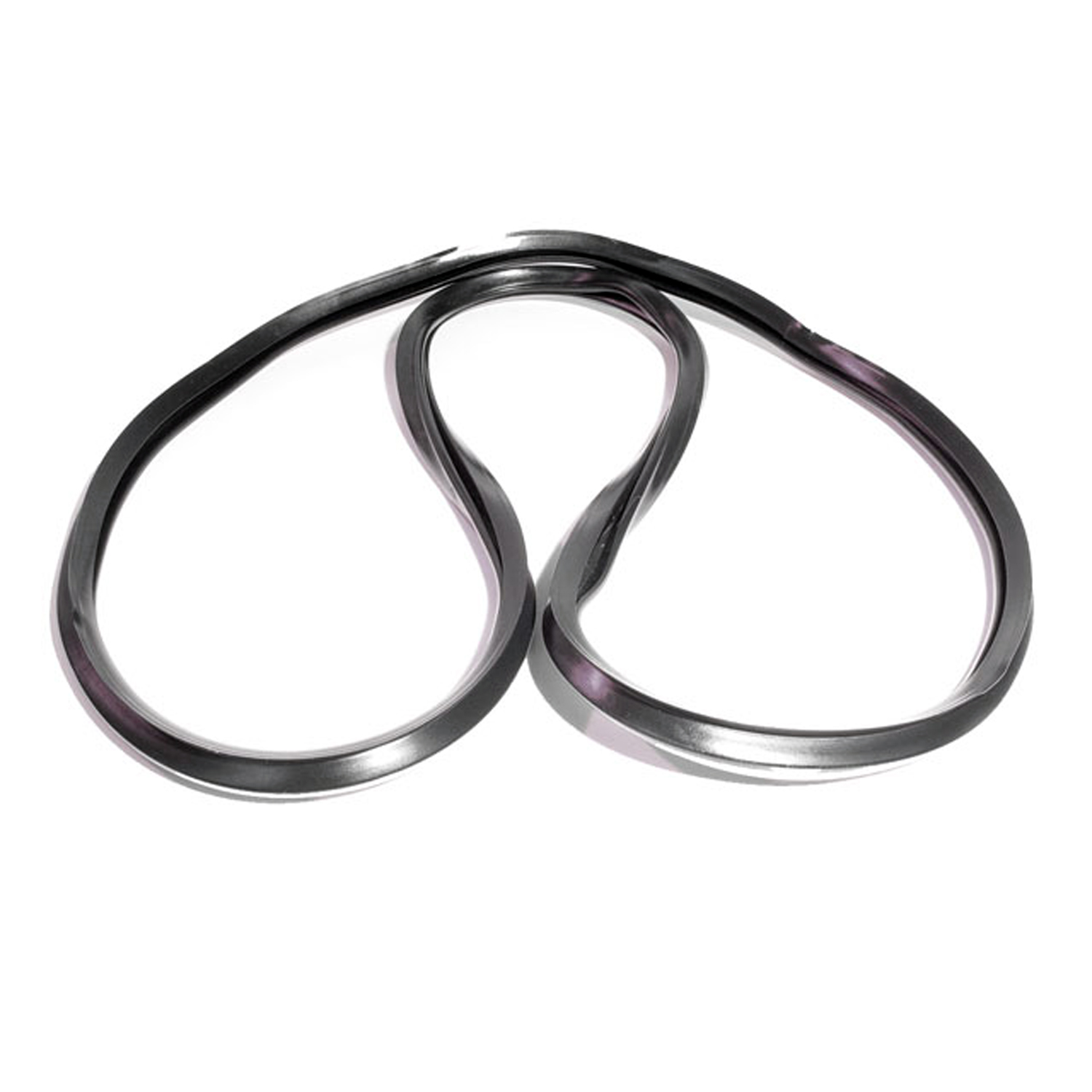 1959 Willys Station Wagon Vulcanized Side Rear-Rear Sliding Window Seal-VQT 9601Vulcanized Side Rear-Rear Sliding Window Seal. Made into one piece for easy installation. Order 2 to do both sides. Replaces OEM #664257. Each
Why Choose Metro?
For over 100 years, Metro Moulded Parts has been the pinnacle of quality in classic car restoration parts. Our commitment to precision and authenticity in every component ensures a perfect fit and an OEM-level appearance.
- Expert Craftsmanship & Quality: Each part is a testament to our dedication to reliability and perfection, crafted from original designs and thoroughly tested.
- Advanced Technology: We use cutting-edge techniques to create flawless, long-lasting parts that surpass others in performance.
- SuperSoft Sponge – The Ultimate Door Seal: Not only are our door seals 30% softer than competitors', but they're also guaranteed to never leak. They effectively reduce wind and road noise, enhancing your classic car's comfort and driving experience.
- Proudly American: Our parts are a product of American craftsmanship, made in the USA with a spirit of excellence and heritage.
- Unrivaled Warranty: We back our products with a 30-year industry-leading warranty, a testament to our confidence in their quality.
Join us in preserving the legacy of classic cars with parts that are crafted for perfection, not just made.